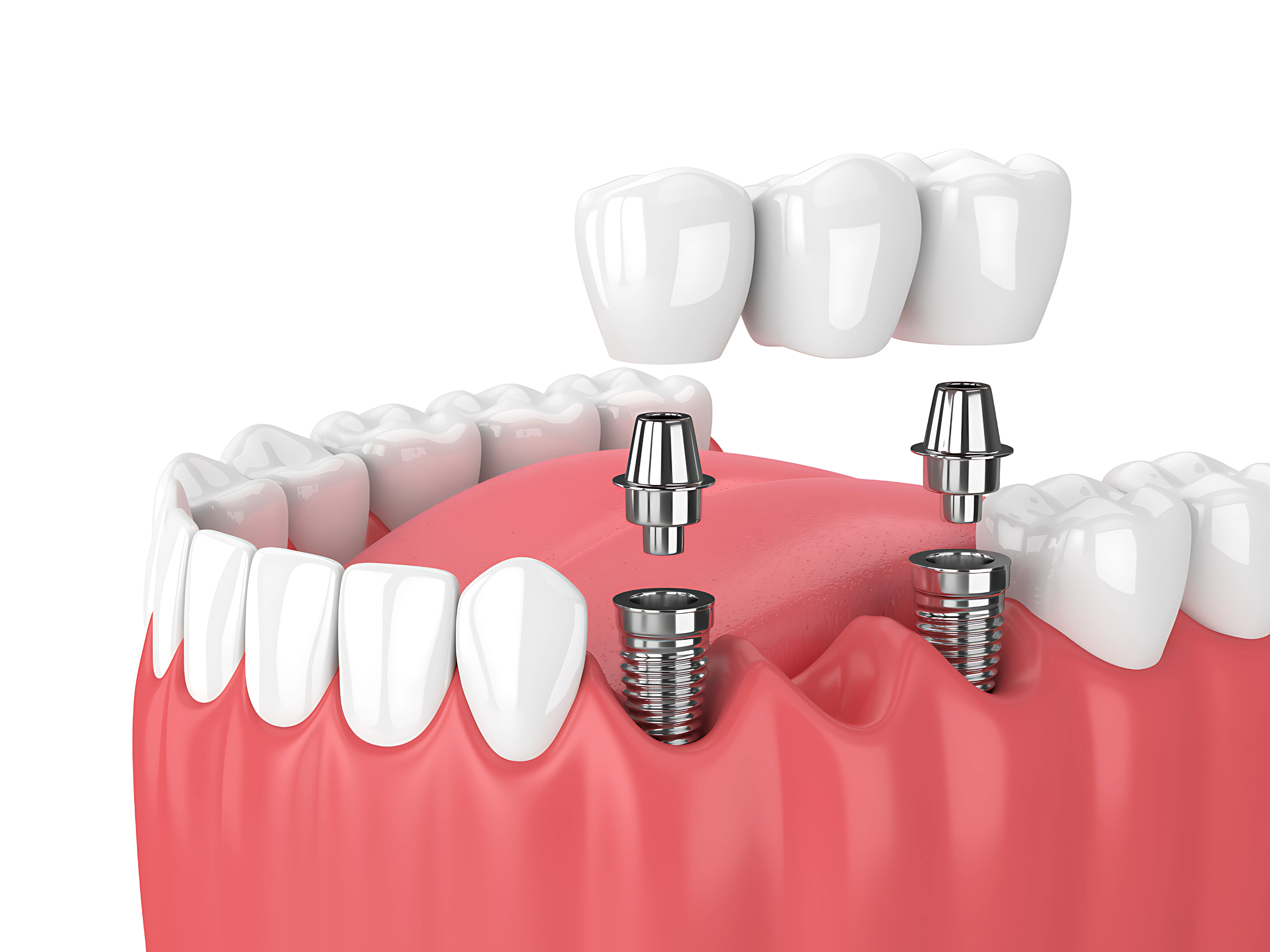
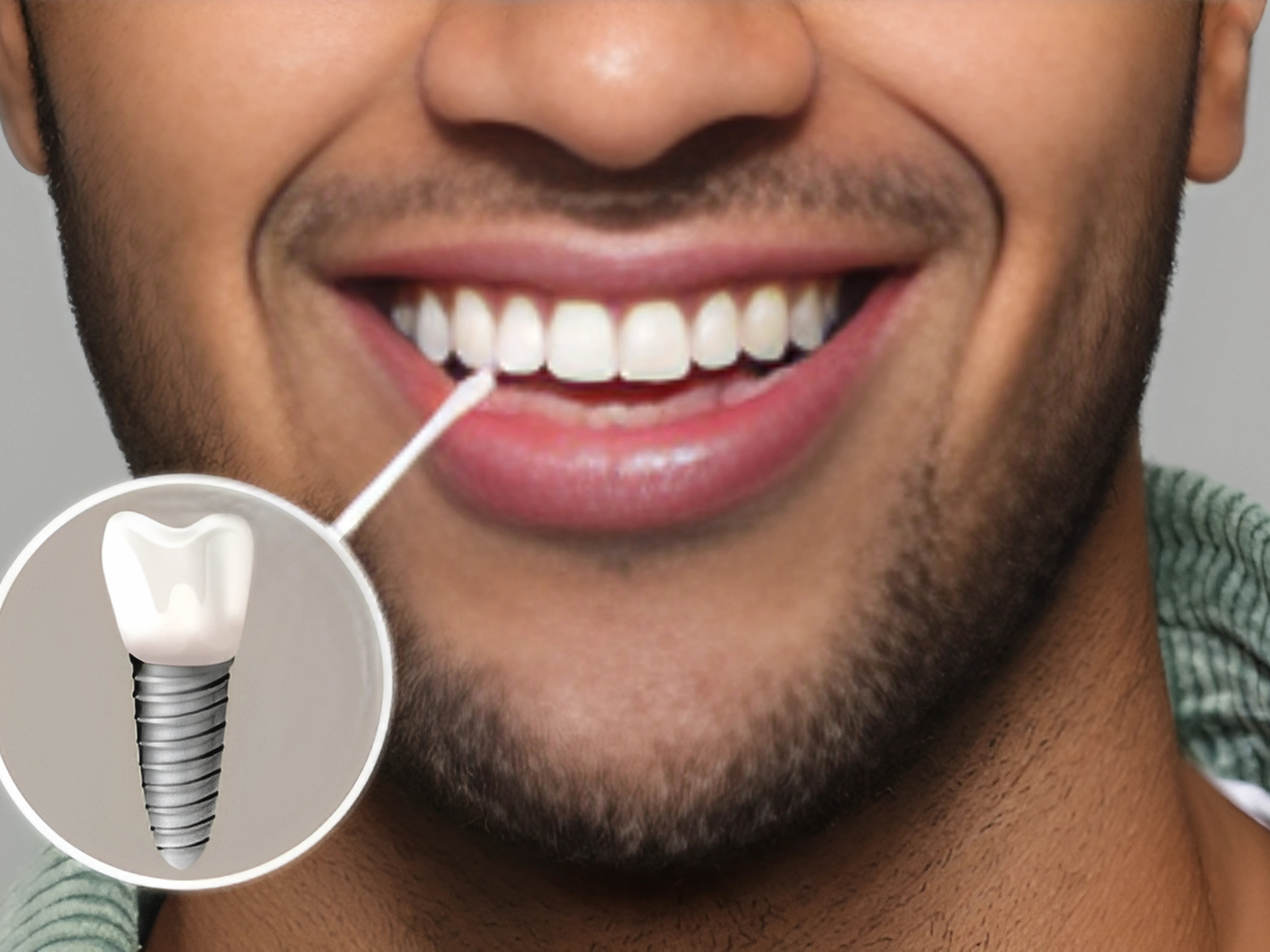
Missing a tooth — or several — affects more than just your appearance. It changes how you chew, how you speak, and over time, it causes the surrounding bone and teeth to shift. Dental implants are the closest thing modern dentistry has to a natural tooth, and they're now more accessible than ever. At Sarvadnya Advance Dental Care, we offer dental implants in Aurangabad with the kind of clinical precision and patient care that turns an anxious decision into a confident one. Dr. Sumit V. S. Pagar and his team bring specialist-level expertise to every implant case. With 397 Google reviews and a 5.0-star rating, our outcomes speak clearly. Book a consultation today.
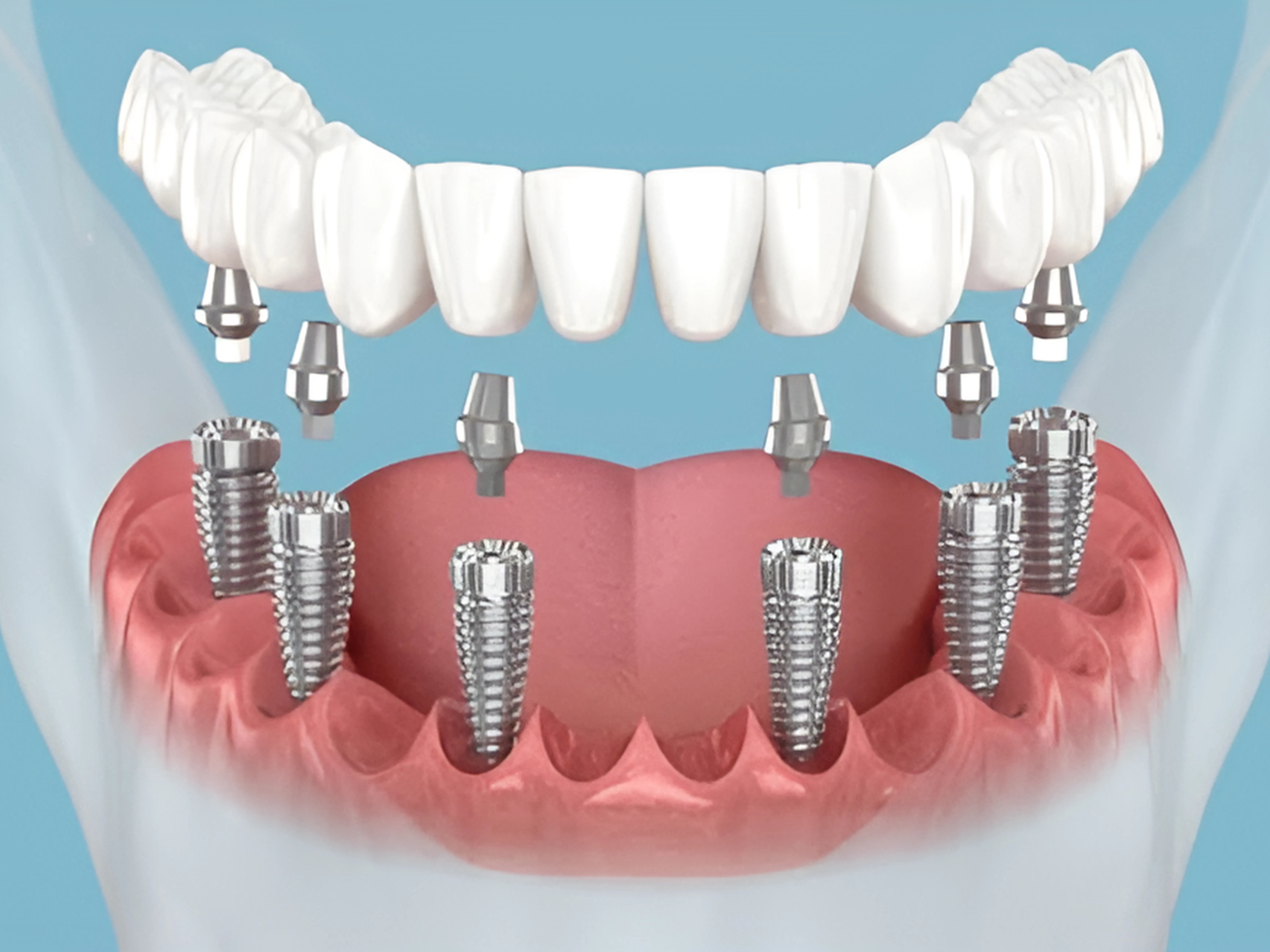
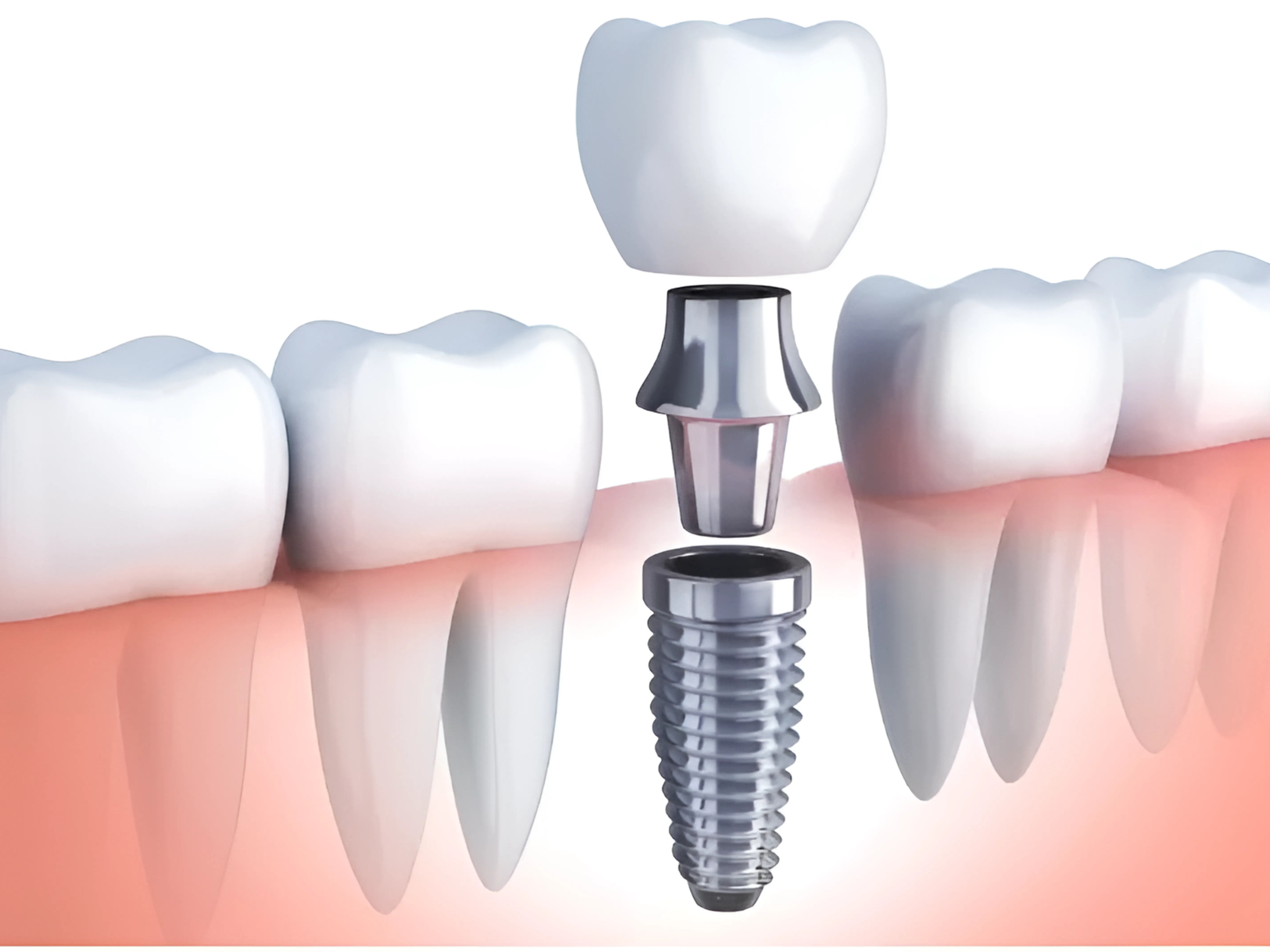
A dental implant is a small titanium post that is surgically placed into the jawbone, where it fuses with the bone over a period of weeks — a process called osseointegration. Once integrated, it acts as the root of a new tooth. A custom-made crown is then fixed onto the implant, creating a replacement tooth that looks, feels, and functions like a natural one. Unlike removable dentures that can slip or bridges that require grinding down adjacent healthy teeth, implants are a standalone, permanent solution. They're designed to last for decades with proper care — many patients treat them just like natural teeth.
Dental implants are an option for anyone who has lost one or more teeth due to decay, gum disease, trauma, or extraction. If you've been wearing a denture that feels uncomfortable, or if you have a gap in your smile that's affecting your confidence or ability to chew properly, implants are worth a serious conversation. Bone health is an important factor — your dentist will assess whether you have adequate bone density for implant placement, and discuss bone grafting if needed.
The implant journey at our clinic in Aurangabad begins with a comprehensive assessment. Dr. Sumit V. S. Pagar evaluates your bone structure using X-rays and clinical examination to determine implant candidacy and plan precise placement. The surgical procedure is performed under local anaesthesia — most patients are surprised by how manageable it is. The titanium implant is placed into the jawbone, and a healing period follows (typically 6 to 12 weeks) during which the implant bonds with the bone. A temporary restoration may be provided during this time so you're never without a tooth.
Once osseointegration is confirmed, a custom crown is fabricated to match the colour and shape of your natural teeth. The final result is a restoration that is virtually indistinguishable from a real tooth. Follow-up visits are scheduled to monitor integration and ensure a stable, lasting outcome.With proper oral hygiene and regular dental check-ups, dental implants can last 20 years or more — many last a lifetime. The crown on top may eventually need replacement due to normal wear (typically after 10 to 15 years), but the implant itself is a permanent fixture. Good brushing, flossing, and avoiding hard foods on the implant side goes a long way.
The procedure is performed under local anaesthesia, so you won't feel pain during placement. Mild soreness and swelling in the days following surgery is normal and manageable with prescribed medication. Most patients return to their routine the next day. The healing phase is quiet — the implant integrates with the bone without any sensation you'll notice.
Bone loss after tooth extraction is common and doesn't automatically rule out implants. In many cases, bone grafting — where bone material is added to build up the site — can restore adequate volume for implant placement. Dr. Pagar will assess the extent of bone loss at your consultation and advise whether grafting is needed and what the treatment sequence would look like.